
17 Sep Sustainable Material Handling Practices: Eco-Friendly Strategies for a Greener Supply Chain
In today’s logistics and warehousing industry, sustainability is no longer just a buzzword; it’s a necessity. As businesses strive to reduce their carbon footprint, material handling operations play a crucial role in driving eco-friendly initiatives. Implementing sustainable material handling practices not only benefits the environment but also improves operational efficiency and reduces costs. Here’s how companies can embrace sustainability in their material handling processes.
- Energy-Efficient Equipment
One of the most impactful ways to promote sustainability in material handling is by using energy-efficient equipment. Traditional forklifts and conveyors consume significant amounts of energy, contributing to high operational costs and carbon emissions. Companies can adopt the following strategies:
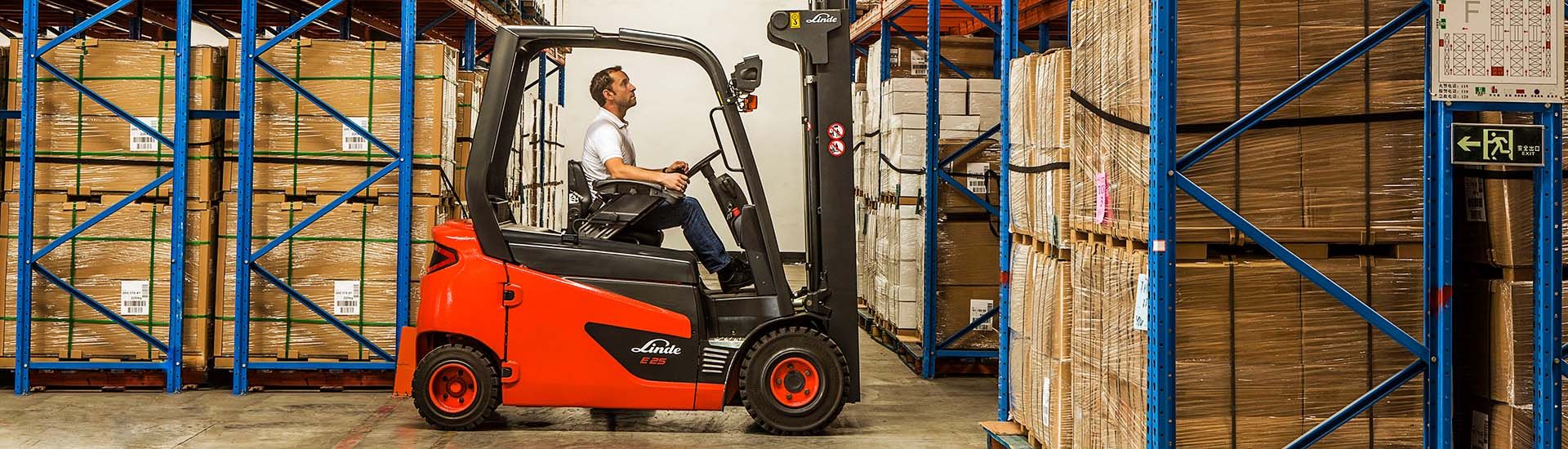
- Electric Forklifts: Replacing diesel or gas-powered forklifts with electric models reduces greenhouse gas emissions and lowers fuel costs.
- Regenerative Braking Systems: Implementing forklifts and automated guided vehicles (AGVs) with regenerative braking can help capture and reuse energy, improving overall efficiency.
- LED Lighting: Warehouses can cut energy consumption by switching to LED lighting, which lasts longer and uses less power than traditional bulbs.
- Recycling Programs and Waste Reduction
Sustainability extends beyond energy consumption—waste management is another key aspect of green material handling. Businesses can implement recycling programs and waste reduction strategies such as:
- Reusable Packaging: Using durable, reusable containers and pallets instead of single-use materials minimizes waste.
- Recycling Stations: Designating areas for recycling packaging materials, such as cardboard, plastic wrap, and metal scraps, ensures that waste is properly sorted and repurposed.
- Reverse Logistics: Implementing a reverse logistics system allows companies to recover, refurbish, or recycle used materials and equipment, reducing landfill waste.
- Smart Warehouse Design and Automation
Optimizing warehouse layout and incorporating automation can significantly enhance sustainability efforts. Consider these practices:
- Optimized Layouts: Designing warehouse layouts that minimize unnecessary movement and streamline workflows reduces energy consumption and enhances efficiency.
- Automated Storage and Retrieval Systems (AS/RS): These systems improve space utilization and reduce energy use by minimizing travel distances and automating material handling processes.
- IoT and Data Analytics: Utilizing data analytics and IoT sensors to monitor energy consumption and equipment usage helps identify areas for improvement and energy savings.
- Sustainable Transportation and Logistics
Material handling doesn’t stop at the warehouse. Sustainable logistics practices ensure a greener supply chain from end to end:
- Route Optimization: Using AI-powered software to plan delivery routes reduces fuel consumption and emissions.
- Hybrid and Electric Vehicles: Transitioning to hybrid or fully electric delivery trucks contributes to a cleaner transportation network.
- Consolidated Shipments: Combining shipments to reduce the number of trips minimizes carbon emissions and lowers costs.
- Lean Management Consulting for Sustainability
Companies looking to optimize their material handling processes for sustainability can benefit from expert consulting services. Advanced Material Handling Systems specializes in lean management consulting, helping businesses identify inefficiencies and implement sustainable practices. Through strategic planning, process optimization, and waste reduction initiatives, Advanced Material Handling Systems supports companies in achieving greener operations while enhancing productivity and cost savings.
- Employee Training and Green Initiatives
A sustainable material handling strategy is only effective when employees are actively involved. Businesses should:
- Educate Staff: Provide training on eco-friendly practices, such as proper recycling methods and efficient equipment operation.
- Encourage a Sustainability Culture: Reward and recognize employees who contribute to green initiatives within the company.
- Continuous Improvement: Regularly assess sustainability efforts and adopt new technologies and practices that align with environmental goals.
The Future of Sustainable Material Handling
As the demand for sustainability grows, businesses must continue to explore innovative ways to make their material handling operations more eco-friendly. By adopting energy-efficient equipment, reducing waste, optimizing warehouse operations, and promoting green transportation, companies can contribute to a cleaner planet while enjoying cost savings and improved efficiency. Embracing sustainability isn’t just good for the environment; it’s good for business.
Are you ready to make your material handling operations more sustainable? Start implementing these green practices today and take a step toward an eco-friendlier supply chain. Contact Advanced Material Handling Systems to speak with your Material Handling Professional.
Sorry, the comment form is closed at this time.